
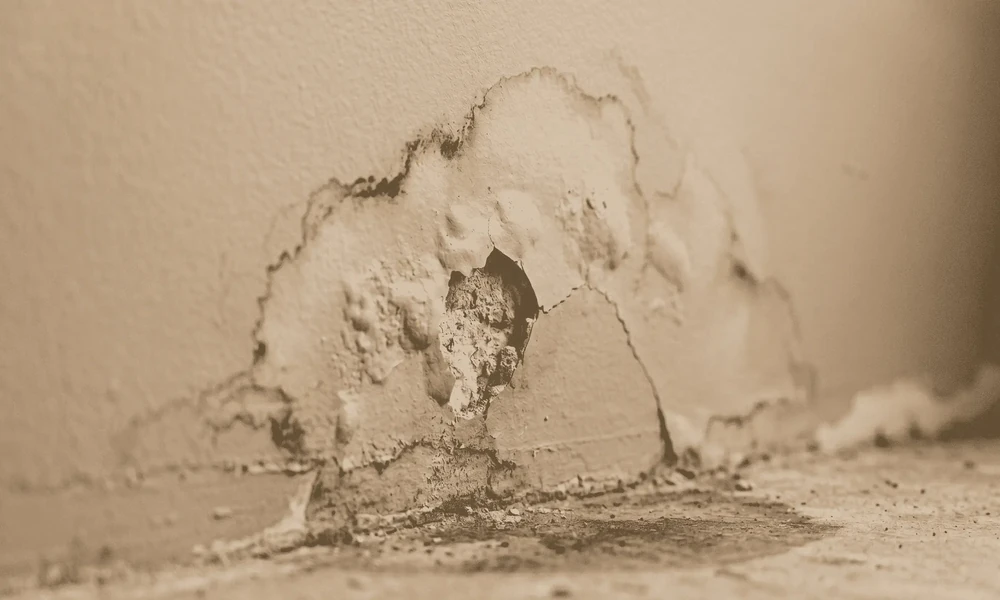
A dripping faucet is easy to notice. You hear it at night, see the water spot in the sink and fix it on a Saturday. The leaks that do real damage behave differently. They run inside a wall cavity, under a basement floor or along a joist above a finished ceiling, and they can go on for weeks before anything shows on the surface.
By the time a stain spreads across the drywall or the basement carpet feels damp underfoot, the water has usually traveled some distance from where it started. Wood framing has soaked it up, insulation has held it in place, and mold may already be growing where nobody can see it. That is why finding the source quickly matters more than the repair itself.
Homeowners searching for help with leak detection in Golden Valley usually find themselves in one of two situations. Either a bill or a meter reading looks wrong and they can’t see any water, or there is a visible stain and they can’t tell where it is coming from. Both are common in the neighborhoods around Highway 55 and Douglas Drive, where many homes were built between the 1950s and 1970s and still carry some of their original plumbing behind newer finishes. The approach to tracking down the leak is similar in both cases, and a homeowner can handle the first steps.
Starting With the Water Meter
The meter is the simplest leak detector in any house. Turn off every faucet and appliance that uses water, including the ice maker and the softener if it is in a regeneration cycle. Then look at the meter’s small leak indicator, which is often a red or blue triangle or a tiny dial. If it is turning while nothing in the house is running, water is going somewhere.
A slower version of the same test catches smaller leaks. Write down the full reading before bed, make sure nobody uses water overnight, and read it again in the morning. Any change points to a leak. The next question is whether the leak is on the supply side, between the meter and the fixtures, or simply a running toilet.
Toilets are worth ruling out early. A worn flapper can waste a surprising amount of water without making much noise. A few drops of food coloring in the tank will show up in the bowl within fifteen minutes if the flapper isn’t sealing. The EPA’s WaterSense guide to finding and fixing leaks shows how much water a household can lose to small, ignored leaks over a year, and toilets are near the top of that list.
Clues That Point Inside the Walls
When the meter shows a leak and the toilets check out, the search moves to the piping itself. Hidden supply leaks tend to leave signs well before they show up as an obvious puddle.
- A musty smell in one room or closet that doesn’t go away with airing out
- Paint that bubbles, peels or looks slightly puckered in one area
- Baseboards that have started to swell or separate from the wall
- A faint hiss in a quiet house when no fixture is running
- Warm spots on a basement floor, which can point to a hot water line leak below the slab
- A water heater that seems to run more often than it used to
Winter adds its own risks in this climate. Pipes running along exterior walls, over unheated garages or near rim joists in the basement can split during a cold snap. A cracked pipe often leaks only a little while it is frozen. The real flow starts when it thaws, sometimes days later, which makes the damage seem to come from nowhere.
How Professionals Narrow It Down
Once a leak is confirmed but still not visible, the goal is to locate it precisely without tearing open walls on a guess. Plumbers combine several methods, depending on the type of pipe and where the leak might be.
Acoustic listening relies on the fact that pressurized water escaping a small opening makes a distinct sound. Sensitive ground microphones and pipe listening devices pick up that sound through flooring and drywall. They work well on copper lines and less well on plastic, which carries sound poorly.
Thermal imaging cameras show temperature differences across a wall or floor. A hot water leak shows up as a warm bloom, and evaporating cold water often shows as a cool patch. The camera doesn’t see water directly, but it turns a whole wall into a map of where to look closer.
Moisture meters confirm what the camera suggests. Pressed against drywall, wood trim or subflooring, they measure moisture content and help mark the edges of the wet area. That determines how much material needs to come out.
Pressure testing isolates sections of the plumbing. With the system shut off and a gauge attached, a falling reading confirms a leak in that zone. Testing zone by zone, such as the hot side against the cold side or upstairs against downstairs, narrows the search even when the exact spot is still hidden.
Used together, these methods usually reduce the repair to one small opening in the drywall instead of a demolition project.
The Leak Most Owners Never Think About
Supply lines aren’t the only pipes that leak. The sewer service line that carries waste from the house to the city main can crack, separate at the joints or fill with roots. In older Golden Valley homes, that line is often clay or cast iron that has been in the ground for sixty years or more.
A leaking sewer line works in two directions. Wastewater can seep out into the soil, and groundwater and rain can seep in through the same cracks. That clear water ends up in the sanitary sewer, adding to treatment costs and raising the risk of backups during heavy storms. The city addresses this through its inflow and infiltration program, which includes inspections that televise the sewer service and check sump pump and roof drain connections. Because of this, many owners first learn their sewer line has problems when they sell the house.
A camera inspection before that happens gives an owner time to plan a repair. A slow drain that keeps coming back, gurgling in the floor drain or a patch of unusually green grass over the line’s path are all reasons to look sooner.
Acting Before the Stain Spreads
Damage from a hidden leak builds slowly and then becomes obvious all at once. A wall that looks fine on Monday can have soft drywall by Friday, and mold can take hold within a few days once materials stay wet. Fixing the pipe is usually the smaller cost. Replacing flooring, cabinets and insulation is where the money goes.
A meter test now and then costs nothing. Paying attention to smells, sounds and small changes in paint and trim costs very little. These habits, along with a professional search when the clues don’t add up, keep a hidden leak small and local instead of turning it into a remodel nobody planned.