
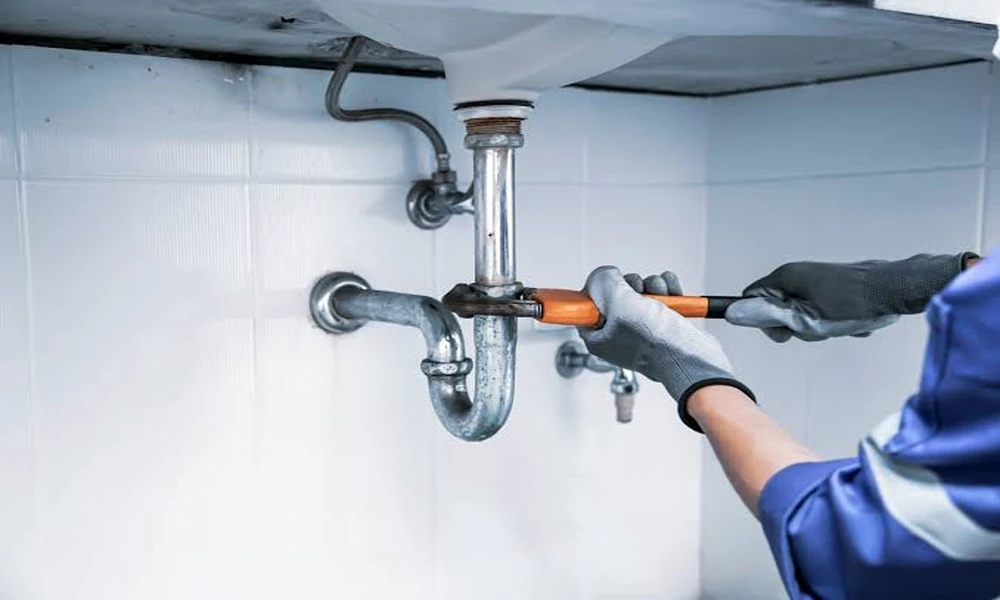
As new technologies alter the distribution, monitoring, and conservation of water, residential plumbing is changing dramatically. Modern technologies provide more control over usage, maintenance, and efficiency than traditional plumbing systems, which were mainly concerned with supplying clean water and eliminating effluent. These advancements, which range from sophisticated water heating systems to intelligent leak detection, are assisting homes in better resource management while lowering the risk of unplanned plumbing malfunctions.
When planning new installations or updating outdated infrastructure, property owners may make better judgments by being aware of these advancements.
Intelligent Water Monitoring Systems To Improve Consumption Management
Intelligent water monitoring technology is one of the most useful advancements in domestic plumbing. These systems track the flow of water across a property and provide comprehensive data on daily use trends.
Smart monitoring systems, in contrast to conventional water meters, are able to detect anomalous consumption, detect continuous water flow, and alert homeowners to any leaks. Certain sophisticated versions let customers remotely monitor usage by connecting to mobile apps.
When no fixtures are in use, for instance, a monitoring system can find that water is continually flowing. Before significant damage happens, this information may be used to find a hidden leak, a broken supply connection, or a running toilet.
With the expertise of Experienced Plumbers in Houston, these systems may be installed to guarantee correct integration with current water supply lines and plumbing fixtures.
Using Automatic Water Shutoff Technology To Prevent Property Damage
When a plumbing breakdown happens while occupants are asleep or away from home, water damage may become costly. By reacting to unusual water flow, automatic shutoff valves provide an extra degree of security.
Usually, these devices are used in conjunction with sensors that track water pressure, moisture levels, or unexpected use. The main water supply may be immediately cut off when the system detects a potential emergency.
Additionally, some systems let homeowners use a smartphone app to operate the shutoff valve. This function might be especially helpful for vacation homes or homes that are left empty for long stretches of time.
Automatic shutdown technology may greatly lessen the volume of water spilled during certain circumstances, even if it cannot stop every plumbing breakdown.
Enhanced Energy Efficiency With Tankless Water Heaters
Even in situations when home demand is minimal, conventional storage water heaters have a reserve of warm water. Tankless water heaters, on the other hand, heat the water as it passes through the device.
This method may increase energy efficiency and decrease standby heat loss, especially in homes with appropriate hot water demand patterns.
Adjustable operating settings, diagnostic screens, and digital temperature controls are possible features of contemporary tankless systems. Additionally, certain versions allow remote monitoring, which facilitates the identification of maintenance needs.
However, a number of variables, including home consumption, water quality, accessible electricity supply, and piping capacity, are necessary for a successful installation. Maintaining constant hot water performance requires proper equipment size.
Cutting-Edge Pipe Materials To Increase Plumbing Durability
Innovation in plumbing extends beyond technological gadgets. The dependability and adaptability of household water distribution systems have also been impacted by advancements in pipe materials.
The flexibility and corrosion resistance of crosslinked polyethylene, or PEX, have made it a popular choice for several residential applications. Because of its flexibility, fewer fittings may be needed during installation.
In order to ensure structural stability and enhanced performance under appropriate operating circumstances, modern multilayer pipe systems also incorporate several materials.
Water temperature, pressure requirements, local plumbing laws, and compatibility with existing components should all be taken into consideration when choosing a material. Before suggesting alternative materials, qualified experts may assess these variables.
Water-Efficient Bathroom Technology And Touchless Fixtures
Innovations that regulate water distribution without needing constant human adjustment are making bathrooms and kitchens more efficient. Touchless faucets only turn on the water when necessary thanks to sensors. During tasks like washing hands and preparing meals, this technology may cut down on wasteful use.
Modern toilets have better flushing systems that remove waste efficiently while using less water. Depending on the kind of waste, dual-flush versions provide several flushing choices. Efficient showerheads and pressure-regulating fixtures may further cut water use without necessarily sacrificing daily comfort.
To find out which fixtures work with their current plumbing systems, homeowners contemplating these upgrades may speak with Experienced Plumbers in Houston.
Conclusion
Residential water management is becoming more effective, responsive, and easy thanks to modern plumbing advancements. Homeowners may profit practically from smart monitoring devices, intelligent shutoff valves, efficient water heaters, better pipe materials, and cutting-edge diagnostic equipment.
However, when equipment is carefully chosen, expertly installed, and routinely maintained, technology offers the most value. Households may preserve their homes, save water, and ensure dependable plumbing performance for many years to come by investing in appropriate plumbing upgrades.