
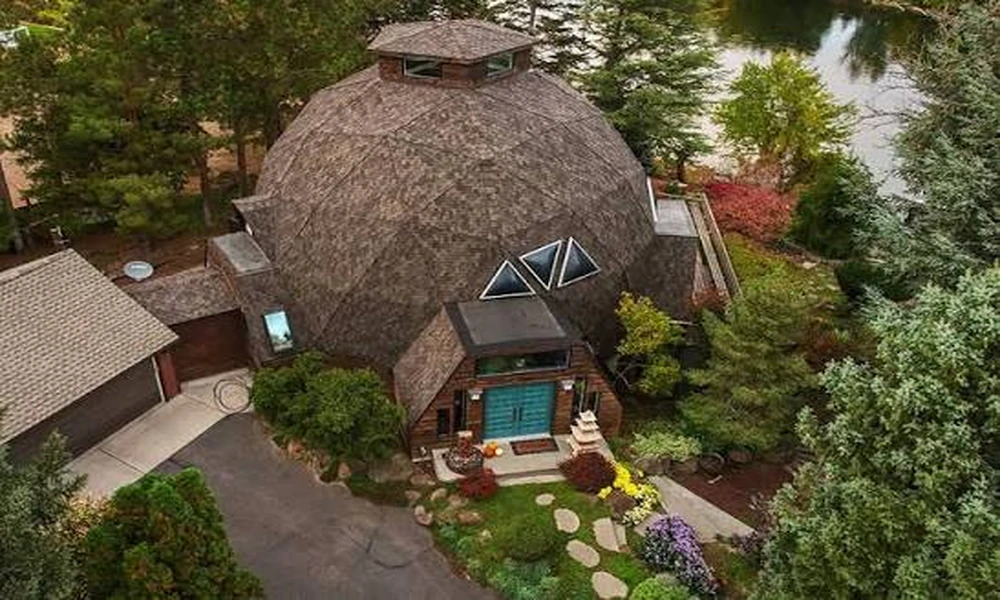
Walk a few blocks off Chinden Boulevard and you can pass a 1971 single-wide on a rented lot, a brick ranch from the Eisenhower years, and a brand-new three-story townhome facing the Greenbelt, all within the same few minutes. Few places in the Treasure Valley pack so many building eras this tightly together. That mix is part of Garden City’s charm, and it’s also why two neighbors can call about “the furnace” and need completely different answers.
It also shapes what a good HVAC company in Garden City actually has to know. Everything Air, a family-run outfit based over in Meridian with more than two decades in the trade, works on every major brand and keeps phones open around the clock, which matters in a town where the equipment behind each front door can be forty years apart in age. The rest of this piece walks through those houses one type at a time, because the details really do change from porch to porch.
Manufactured Homes Play by Their Own Rules
Garden City still has a large share of manufactured homes, many in long-established parks near the river and along 44th Street. Their heating systems look familiar at a glance but follow different rules underneath.
Most use a downflow furnace tucked into a hallway closet, pushing air down into ducts that run through the underbelly of the home. A few things go wrong here more than anywhere else.
- The belly wrap tears. That fabric barrier under the home keeps insulation and ducts in place. Once it sags or rips, ducts drop, disconnect, and start heating the crawl area instead of the living room.
- Crossover ducts separate. In a double-wide, a flexible duct links the two halves underneath. When it slips loose, one side of the home stays cold no matter how long the furnace runs.
- Rodents move in. Mice and rats love the warm belly, and chewed ductwork is a common find on older units.
- Replacements need the right equipment. Furnaces in manufactured homes generally must be listed specifically for manufactured housing, usually as sealed combustion units that pull air from outside. A standard furnace pulled off the shelf isn’t a legal swap.
Adding air conditioning to an older unit that never had it usually means a split system or packaged unit tied into that same underfloor duct, so the condition of those ducts decides how well the new cooling actually works.
The Ranch Houses That Got Air Conditioning Late
Many of Garden City’s site-built homes date from the 1950s through the 1970s. Plenty were built with heat only, and central air was bolted on decades later. The trouble is that cooling needs more airflow than heating, and ducts sized for a furnace alone often can’t move enough air to cool the far bedrooms on a July afternoon.
Homeowners in these houses tend to notice a few patterns. Rooms at the end of long runs stay warm in summer. The system sounds loud at the return grille. Energy bills climb every August even though the equipment is fairly new.
Sometimes the fix is enlarging a return or adding a second one. Sometimes it’s a ductless mini-split in the rooms the ducts never reached well. And in homes built before the 1980s, it’s worth knowing that some older duct insulation and furnace tape contained asbestos. Any crew opening up original ductwork in an older ranch should look before they cut.
New Townhomes Along the River Stack Heat Upward
The newer construction around the Waterfront District and near Expo Idaho looks nothing like its neighbors. These are tall, narrow homes with living space on three floors, and they bring a different set of problems.
Heat rises, so the top floor runs warm in summer while the ground floor stays cool, and one thermostat on the middle level can’t satisfy both. Mechanical closets are small, and many of these homes use heat pumps rather than gas furnaces. They’re also built tight, which saves energy but traps cooking smells, moisture and indoor pollutants unless the home has mechanical ventilation doing its job.
The most helpful upgrades here tend to be zoning or a second system for the top floor, careful thermostat placement, and making sure any installed ventilation unit is actually running and its filters get changed.
Life Near the Greenbelt Adds Its Own Wrinkles
Living close to the Boise River is lovely, and it also puts outdoor equipment in the path of cottonwood fluff every late spring. That white cotton mats onto condenser coils and chokes airflow right as the first hot days arrive. A gentle rinse with the power off, from the inside out, keeps it breathing.
Homes with crawlspaces near the river can also stay damper than houses farther from the water. Moisture down there rusts ducts, feeds mold and makes the whole house feel clammy, so a good vapor barrier matters as much as the equipment above it.
Tasting Rooms and Taprooms Breathe Differently
Garden City’s craft beverage corridor holds more breweries, wineries and cideries than almost anywhere in Idaho. Those spaces have heating and cooling demands few homes ever face. Brewing and cooking dump heat and moisture into the air. Kitchen hoods pull large volumes of air out, which has to be replaced through makeup air or the building ends up under negative pressure, with doors that whistle and burners that struggle. Rooftop units on older commercial buildings along Chinden are often near the end of their lives as well.
What to Ask Before Anyone Touches Your System
Whatever kind of house you live in, a few questions separate a careful contractor from a hurried one.
- Have they worked on your type of home, whether that’s a manufactured unit, an older ranch or a stacked townhome?
- Will they size new equipment with a proper load calculation instead of simply matching the old unit?
- Will they inspect the ductwork, including the belly or crawlspace, before quoting?
- Are they licensed through Idaho’s HVAC board, and will they pull the mechanical permit the job requires?
A house built in 1971 and a house built last spring are both part of Garden City, and each deserves an answer that fits the way it was actually put together.