
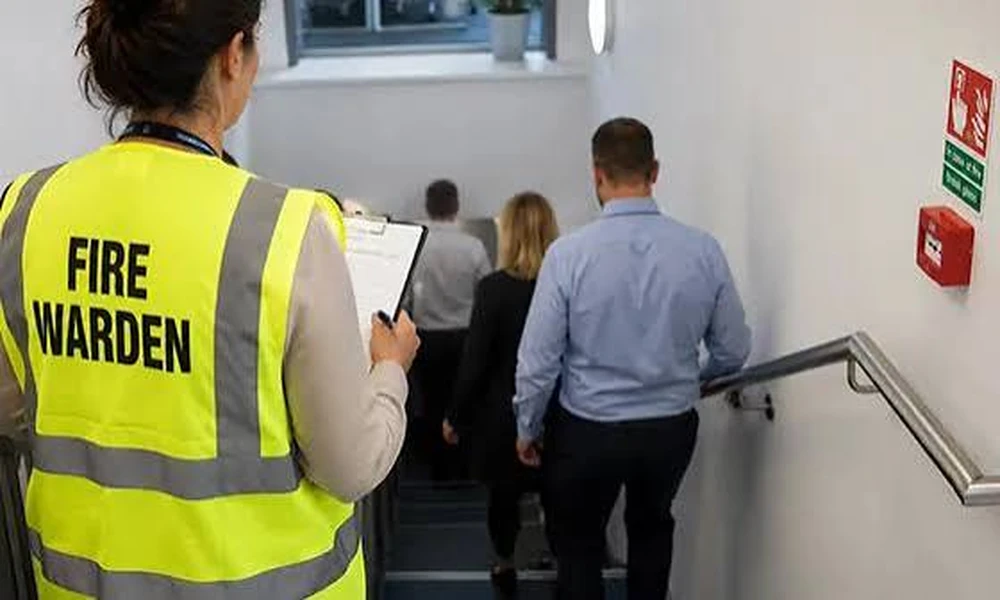
Accountability helps fire watch companies ensure personnel follow procedures, report hazards, complete assigned duties, and maintain coverage. Proper monitoring also gives businesses greater transparency and reliable service records.
Businesses that rely on a fire watch company Glendale CA can benefit from clear accountability practices that make fire watch coverage easier to monitor and evaluate. A dependable provider should have systems for verifying guard attendance, tracking patrols, documenting incidents, and reviewing performance. These measures give clients better visibility into daily operations while helping supervisors identify missed duties, address concerns promptly, and maintain consistent coverage throughout the assignment.
Clear Assignment Responsibilities
Accountability begins by defining what each fire watch guard is expected to do. Before starting an assignment, personnel should understand their patrol areas, observation requirements, reporting duties, emergency procedures, and communication responsibilities.
Clear expectations make it easier for both the provider and client to evaluate whether assigned duties are being completed properly.
Attendance and Shift Verification
Reliable coverage depends on having personnel present for the required periods. Fire watch companies may maintain attendance records showing when guards begin and finish their shifts.
Shift verification can help identify scheduling problems and reduce the risk of unexpected coverage gaps. When a guard cannot attend a scheduled assignment, the provider should have procedures for arranging appropriate replacement coverage.
Patrol Records
Patrol documentation is another important accountability measure. Guards can record the areas they inspect, the time of each patrol, and relevant observations.
These records provide a timeline of monitoring activities and can help supervisors determine whether required patrols were completed consistently.
Digital Monitoring Systems
Some companies use digital tools to strengthen accountability. Electronic reporting platforms can allow guards to submit observations, complete patrol records, and create time-stamped reports.
Depending on the system, location-based features may also help verify that personnel visited designated areas. Technology should support established procedures rather than replace proper training and supervision.
Incident Reporting
When a hazard or emergency occurs, accurate incident reporting is essential. Guards should document relevant information, including the location, time, condition observed, people notified, and actions taken.
Serious situations should also be communicated immediately through the appropriate emergency channels instead of relying solely on written records.
Supervisor Oversight
Supervisors can provide another layer of accountability by reviewing guard performance, documentation, and site conditions. They may conduct periodic site visits, communicate with clients, or check whether assigned procedures are being followed.
Regular oversight can help identify performance concerns before they become recurring problems.
Client Communication
Keeping clients informed can improve transparency. Depending on the assignment, providers may share patrol records, incident reports, shift updates, or information about unresolved hazards.
Clear communication allows clients to understand how coverage is being delivered and whether any concerns require additional attention.
Training and Performance Reviews
Accountability also involves ensuring that personnel remain qualified for their responsibilities. Fire watch companies can conduct training sessions, refresher programs, and performance evaluations.
Reviews can identify areas where guards may need additional guidance, particularly when site procedures or working conditions change.
Documentation Management
Records should be maintained in an organized and secure manner. Documentation may include attendance information, patrol logs, incident reports, communication records, and supervisor reviews.
Accurate records can help demonstrate that required monitoring activities were performed and provide useful information for future safety assessments.