
Picture the last glass of tea poured down the kitchen sink of a raised house on the Bolivar Peninsula. It drops through a trap, slides along a pipe hidden in the floor, falls through open air between the pilings, crosses a sandy yard and ends up in a septic tank buried a few feet above the water table. That route is longer and far more exposed than the one most inland drains travel, and almost every slow drain on the peninsula can be traced to a specific stretch of it.
Crystal Beach has no public sewer. Federal planning documents for a proposed wastewater project noted that homes there rely mostly on individual, private septic systems, with only one small private treatment plant on the whole peninsula. That single fact changes how a clog should be handled, which products belong under the sink and when a backed up shower is not really a clog at all.
When a drain does stop moving, the call itself can be simple. A line like Crystal Beach drain cleaning puts you on the phone with a live specialist who asks what the drain is doing and then matches you with an independent local plumber, often for a same day visit. The plumber diagnoses on site, quotes a price before touching anything, and the site promises no charge if the problem cannot be fixed. Knowing which part of the journey has failed makes that visit shorter and the conversation clearer.
Up Top, Where Sand Enters the System
The trouble usually begins upstairs. Beach days end in the shower, and every rinse sends fine quartz sand into the drain along with sunscreen, hair and conditioner. Sand is heavy. It settles in the bottom of the trap and in any horizontal run where the water slows down, then binds with soap residue into something closer to wet mortar than to a typical hair clog.
Outdoor showers at ground level carry the same load, sometimes worse, since whole families rinse off buckets and boogie boards there. Kitchens add their own coastal mix. Grease from fried fish, shrimp shells and leftover crab boil seasoning all head for the same drain on a busy weekend.
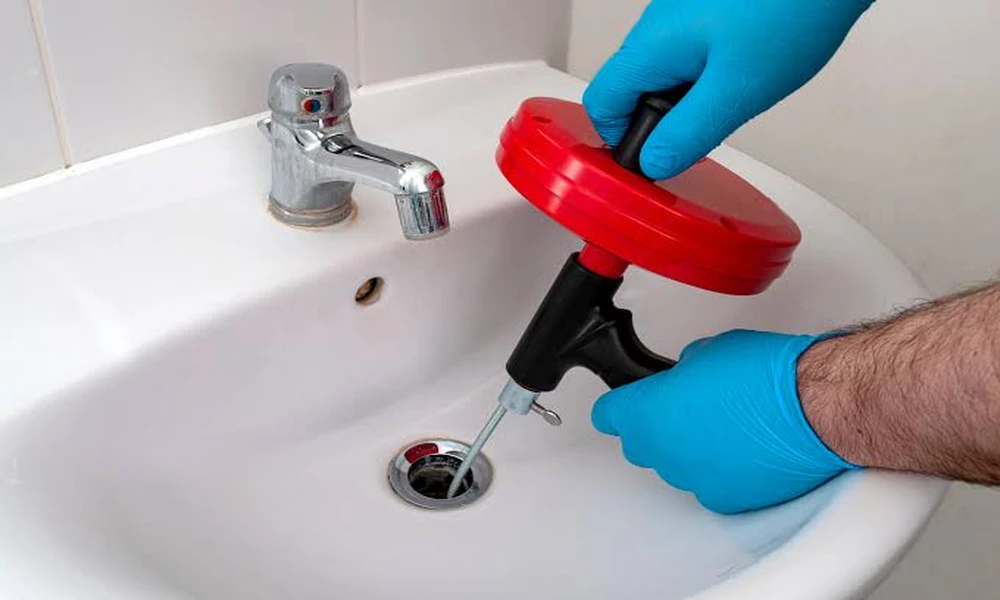
Plungers rarely beat packed sand. A plumber may pull the trap by hand, run a small cable through the branch line, or use a jetter to flush the deposit toward the main line where the pipe is wider.
The Open Air Stretch Under the Pilings
After Hurricane Ike flattened much of Crystal Beach in 2008, rebuilt homes went up on tall pilings. Their drain lines now hang beneath the living space, exposed to wind, sun and salt spray. That stretch deserves attention because problems there are easy to see if you know where to look.
PVC that sits in direct sun for years can turn chalky and brittle. Hangers loosen in coastal wind, and a pipe that sags even slightly creates a low belly where sand and grease collect. Fittings that were glued in a hurry during a busy rebuilding season sometimes weep at the joints. In the rare hard freeze, like the one that hit Texas in February 2021, exposed lines without insulation can crack.
A short walk under the house before the rental season starts can catch most of this early.
- Look along each pipe for sagging sections or missing hangers.
- Check the joints for white crust, damp spots or drip marks on the sand below.
- Run water upstairs while a second person listens underneath for gurgling or dripping.
- Note any cleanout caps and confirm they are reachable and not buried or painted shut.
Cleanouts matter more than most owners realize. A plumber who can open one under the house can clear the main line without pulling a toilet or snaking through a bathroom upstairs.
Septic Tanks Change the Rules
Inland homeowners often reach for a bottle of caustic drain opener. On the peninsula that habit backfires. Septic systems depend on bacteria to break down waste in the tank, and harsh chemicals kill those bacteria along with the clog. Aerobic units, common across coastal Texas, use pumps and air to treat wastewater before spraying it over the yard, and they are even more sensitive to what goes down the drain.
The Galveston County Health District’s on-site sewage program oversees permits, inspections and maintenance agreements for these systems, and any repair beyond routine cleaning requires a permit through that office. Aerobic systems in Texas also come with service contracts, so a blinking alarm on the control panel should prompt a call to the maintenance provider before anyone starts snaking lines.
Rental homes put unusual stress on septic tanks. A house built and permitted for a small family may sleep fourteen guests on a holiday weekend, every one of them flushing, showering and running the dishwasher. Tanks in heavily rented homes often need pumping well before the three to five year schedule that suits a year round household. Flushable wipes, paper towels and feminine products that guests send down toilets do not break down in the tank and eventually reach the outlet baffle or the effluent filter, choking the system from the inside.
When the Ground Itself Says No
Some of the slowest drains in Crystal Beach have nothing wrong with the pipes at all. The peninsula sits barely above sea level, and the water table can rise close to the surface after heavy rain, a high tide pushed by a south wind, or a tropical storm surge. The Health District even charges a separate fee to review groundwater conditions in the Bolivar and Galveston area before approving systems there.
When the soil around the drain field is saturated, treated water has nowhere to go. Toilets flush slowly, tubs drain sluggishly and the lowest fixture in the house may gurgle or back up. A cable will not fix waterlogged ground, and repeated snaking only pushes debris further into a system that cannot accept it.
The clues that point to the ground rather than a clog are fairly consistent. Every fixture slows at once instead of one at a time. The problem appears right after a storm or a stretch of high tides and fades as the weather clears. The yard over the drain field stays soggy or smells sour. In those cases the best move is cutting water use, holding off on laundry and calling the septic maintenance company rather than a drain service alone.
Reading the Drain Before Making the Call
The best service calls start with a good description. Note whether one fixture is slow or all of them, whether the problem started after a full house of guests or after a storm, and whether the septic alarm is lit. Mention the location of the cleanouts under the house and the type of septic system on the property if you know it. A plumber working on a raised coastal home with an aerobic unit approaches the job very differently from one clearing a kitchen sink in a slab house in Houston.
Owners who rent their homes can save themselves plenty of weekend calls with a laminated note in each bathroom asking guests to keep wipes and paper towels out of the toilets, and a strainer in every shower to catch sand before it starts the long trip down. Small habits upstairs protect the pipes beneath the house, the tank in the yard and the sandy ground that has to finish the job.