


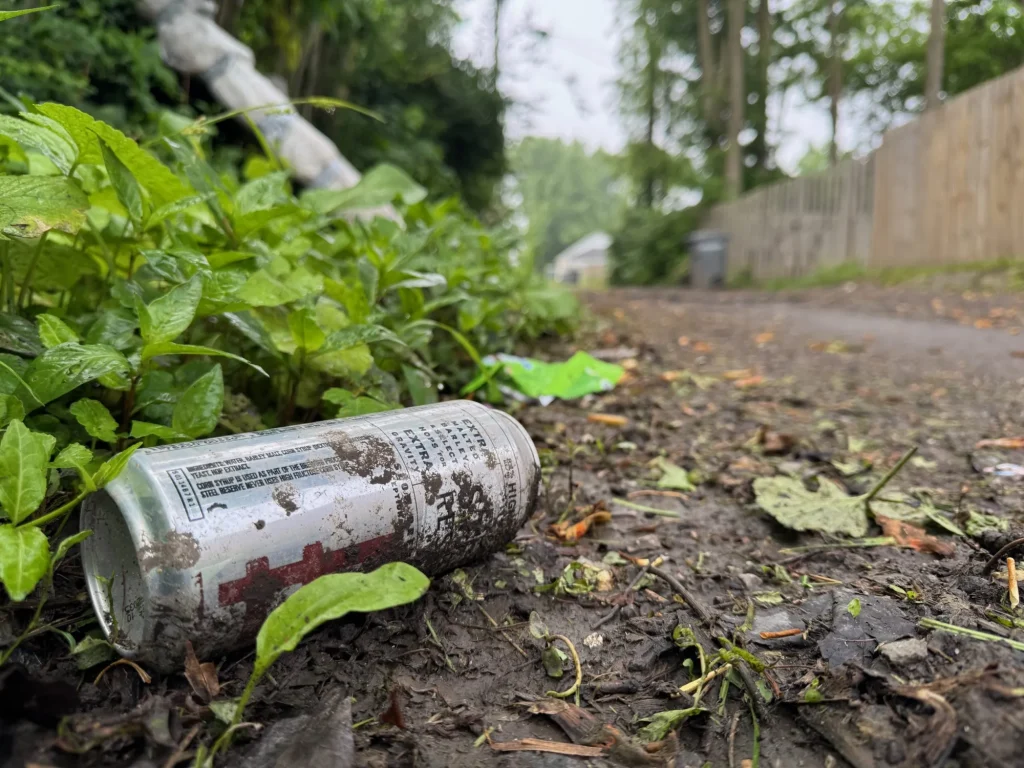
To most people, an everyday issue that downtown Indianapolis property owners deal with comes as a surprise. The slim passages dividing the historic structures along Massachusetts Avenue, the back sides of commercial buildings on Meridian Street, and the cramped corridors of Fountain Square create ideal highways on which a cockroach can travel.
These passageways gather restaurant grease, dumpster fluid, and warmth from building exhaust systems, basically all that roaches require to flourish and mobilize. If one building gets infested, the whole block can be infected in a few weeks.
If you are seeing roaches on your downtown property, taking action sooner is the difference between an isolated issue and a property-wide emergency. You can get rid of pests in Indianapolis with proper professional pest control treatment!
The Alley Network: The Cockroach Superhighway of Downtown Indy
There are about 48 miles of downtown alleys in Indianapolis, and nearly all were built between 1870 and 1920, when sanitation standards were quite different. Buildings lining two sides block wind and keep heat from HVAC systems, so brick-and-concrete corridors stay 5–10 degrees warmer than open streets.
Marion County health data show that 40% more cockroach-related service calls are logged in downtown Indianapolis than in nearby neighborhoods. In ideal conditions, roaches can travel 100 feet per night, meaning that one alley can link 20–30 properties in their nightly range. They call it an “optimal harborage network,” a result of continuous food sources from downtown’s 200-plus restaurants, shared walls, and connecting basements.
How Quickly Can a Downtown Indianapolis Alley Infestation Spread?
The most common cockroach species in Indianapolis, the German cockroach, lays 30-40 eggs every 6 weeks. Therefore, we can expect more than 10,000 roaches by December if we introduce only a single pregnant female this January under alleyway conditions, characterized by continuous food availability and warm temperatures. This contagion spreads faster than folks guess.
When roaches get inside a unit facing an alley, they typically move into neighboring properties within 2-3 weeks through standard plumbing, electrical conduits, and wall voids. Older buildings along College Avenue and Delaware Street with interconnected physical systems are especially susceptible.
Why Single-Unit Treatment Fails Against Alley-Based Infestations
Dealing with only a single apartment or commercial unit in a downtown building is rarely a permanent fix. This is the reason the alley connection renders single treatments useless:
- The cockroach population extends far beyond what the eye can see: If you find cockroaches in your unit, it is only about 20% of the native species. The other 80% are scattered throughout the wall voids, under the alley dumpsters, and in neighboring properties.
- Roaches relocate during treatment: Feel the chemical applications, move next door for a bit, and come back after the therapy degrades. The older downtown buildings in Indianapolis have so many entries that blocking them all would be nearly impossible.
A coordinated, building-wide or block-wide multifamily approach treats both indoor spaces and outdoor alley sources simultaneously.
Advanced Roach Control for Downtown Indianapolis Properties
Any solution to roach control downtown has to take into account how these alley networks actually work. If the bothersome bugs are finding their way into downtown apartments, as it turns out, Pointe Pest Control has a different approach to the problem than for suburban homes. The issue in many cases is structural, not individual. They aim to treat common spaces first: the areas where people walk, grab their bikes, and travel before addressing those of separate units, essentially cutting off the routes of travel.
Moreover, they monitor the alley environment itself, as this controls the roaches before they have access to tenant spaces. Why traditional treatments fail year after year is a question for property managers of multi-unit buildings along downtown corridors, and this explains how a coordinated approach solves the issue.