
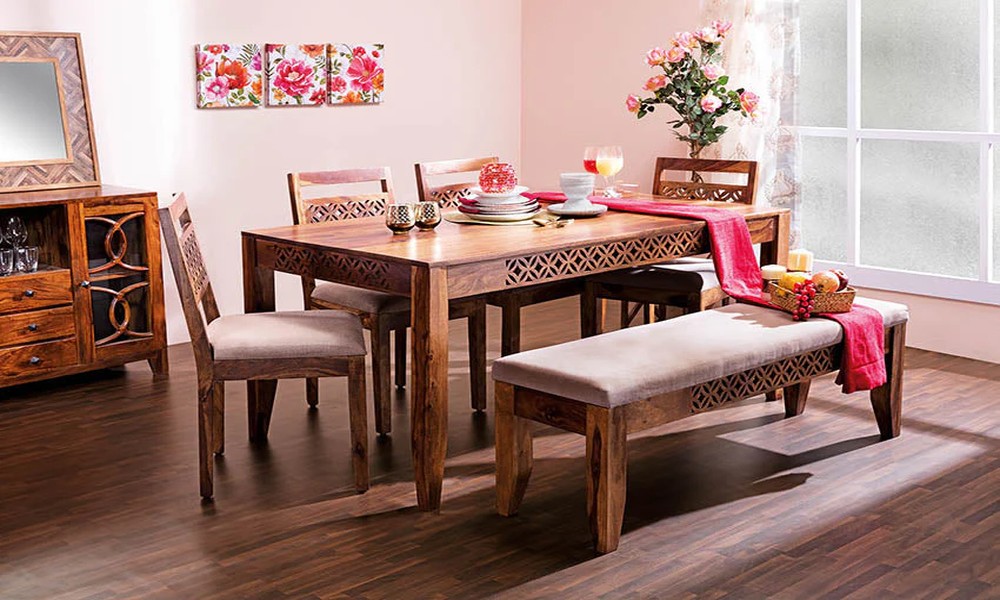
The dining table is more than just a place to eat; it’s the anchor of family gatherings, holiday feasts, and everyday conversations. Yet, myths about what makes the “perfect” table persist, leading many to invest in pieces that don’t fit their needs or style. Before choosing a new centerpiece for your dining room, consider these common misconceptions and the real factors that make a dining table worth your while.
Myth 1: Bigger Tables Are Always Better
A sprawling dining table can be tempting, especially if you dream of hosting dinner parties. But bigger isn’t always better. The most comfortable table is one that fits both the size of your room and your lifestyle.
Why Size Should Match Space and Usage
A table that’s too large can overwhelm a small dining area, making movement awkward and the space feel cramped. Conversely, a table that’s too small can look out of place in a grand room. The number of people you want to seat regularly should influence your choice; don’t base your decision solely on the occasional holiday crowd. Consider extendable options if you occasionally host larger groups.
The Impact of Room Dimensions on Table Comfort
Remember to factor in clearance. At least 36 inches between the table’s edge and the wall lets guests move comfortably. Cramped quarters not only hinder circulation but also diminish the enjoyment of a shared meal.
Myth 2: Only Wood Makes a Durable Dining Table
Wood tables are classic, but they’re not the only sturdy option. Today’s manufacturers offer a variety of materials suited to different tastes, lifestyles, and care requirements.
Exploring Alternative Materials: Metal, Glass, and Composite
Each material brings distinct strengths. Metal tables are robust and often easier to maintain. Glass tops can create an illusion of space in smaller rooms and are easy to wipe clean, though they can be vulnerable to chips. Composites like engineered wood or stone often blend durability with unique visual appeal.
Balancing Aesthetics with Longevity and Maintenance
It’s not just about looks; practicality matters. A family with young kids might prioritize scratch resistance, while entertainers may lean toward materials that weather wine spills. Think about daily wear and maintenance before making a decision.
Myth 3: Shape Doesn’t Affect Dining Experience
The shape of your table influences not just the look of your space, but also how guests interact and maneuver around it.
Comparing Rectangular, Round, Square, and Oval Tables
Rectangular and oval tables are ideal for longer rooms and larger gatherings. Round tables encourage conversation and suit smaller, square spaces. Square tables can make an intimate statement but may feel awkward in narrow rooms.
How Shape Influences Conversation and Seating Arrangement
A round table allows everyone to see and speak with one another easily, fostering connection. In contrast, a rectangular table can lead to fragmented conversations, especially if it’s large. Consider how you want your guests to interact before choosing.
Myth 4: All Dining Tables Fit All Décor Styles
It’s easy to assume you can drop a new table into any room and have it work. In reality, a table’s style should complement your home’s overall aesthetic.
Matching Table Style to Interior Design Themes
A sleek, minimalist table may fall flat in a traditional or rustic room, while ornate carvings can look out of place in a contemporary setting. Notice the lines, finishes, and overall feel of your space. Do you prefer Scandinavian simplicity, industrial chic, or classic warmth?
Mixing Modern and Traditional Elements Successfully
Blending styles can work if done thoughtfully. Perhaps a modern glass top sits on vintage wooden legs, bridging old and new. The goal is harmony, not discord.
Myth 5: Price Reflects Quality and Suitability
Price tags can be misleading. Cost doesn’t always equate to longer life or better performance.
Understanding the Relationship Between Cost, Craftsmanship, and Practicality
High price often means premium materials or brand reputation, but not necessarily higher durability. A less expensive table handcrafted with care can outlast a costly, mass-produced alternative. Examine joinery, finishes, and warranties alongside the price.
When to Invest More and When to Save
Splurge on features that matter to your lifestyle, like robust surfaces or extendable sections. Save on decorative details that don’t affect function. When in doubt, seek out trusted sources; for example, Avant-Scene dining tables are known for balancing exceptional design with practical durability.
Myth 6: Adjustable or Extendable Tables Are Just a Gimmick
Some believe that adjustable tables sacrifice form for function, but this feature can be a game-changer for adaptable living.
Advantages of Flexibility for Different Occasions
Extendable tables expand your options, literally and figuratively. They offer space when you need it and reclaim room when you don’t. This flexibility benefits homes where the dining area serves multiple purposes.
Evaluating Mechanisms and Durability
Not all extension mechanisms are created equal. Test how easily the table extends and retracts, and ask about the longevity of moving parts. A table that adapts should also endure.
Myth 7: Maintenance is the Same Across All Tables
No two tables require identical care. Understanding upkeep is essential to preserving your investment.
Best Practices for Caring for Different Table Materials
Wood demands regular polishing and protection from heat and moisture. Glass likes gentle cleaners and is prone to fingerprints. Metal resists most stains, but may scratch. Picking a table that matches your willingness to maintain it is key.
Preventing Common Wear and Damage to Extend Table Life
Coasters, placemats, and routine cleaning go a long way. For families or frequent entertainers, a table with a forgiving finish can keep daily life from showing too much.
—
Choosing a dining table is as personal as it is practical. By questioning common myths and weighing real-life factors, you’ll bring home a table that serves you beautifully for years to come.