


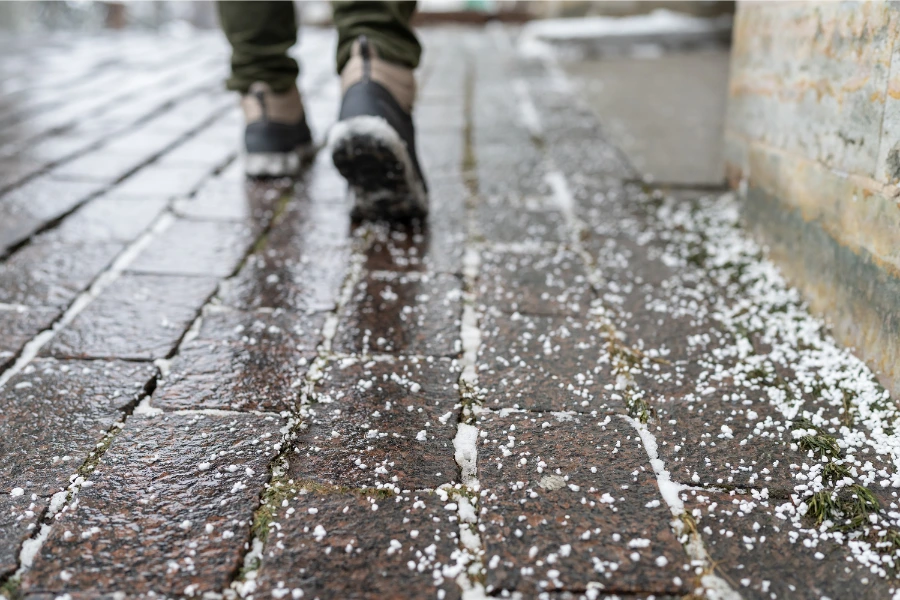
Ottawa’s winters are legendary for their intensity. Salt, slush, and sand become daily guests, while freezing temperatures test everything in your home, floors included. Without the right protection, winter can wear down even the toughest surfaces, leaving behind stains, cracks, and costly repairs.
Why Protecting Floors from Harsh Winters Matters
Winter isn’t just a nuisance; it’s a challenge for every square inch of flooring. Muddy footprints, melting snow, and abrasive salt creep into your home, attacking floors at their most vulnerable. Even a short walk from your front door can leave a trail of damage, especially when temperatures swing wildly and moisture seeps in.
Common Winter Damages to Flooring
Floors face a barrage of problems in cold climates:
– Stains from salt and melting snow
– Warping and swelling due to moisture
– Scratches from grit and sand
– Cracks from freeze-thaw cycles
Consequences of Neglecting Floor Protection in Cold Climates
Ignoring these issues can mean permanent stains, ruined subfloors, and expensive replacements. Over time, untreated damage compounds, resulting in safety hazards and diminishing the look and value of your space.
Ceramic Tile vs. Other Flooring Materials for Winter Resistance
Not all floors are built to withstand winter’s punishment. Hardwood swells and shrinks, vinyl can stain, and laminates buckle under trapped moisture. By contrast, ceramic tile stands apart for its durability and resilience.
Durability and Resistance to Moisture
Ceramic tile is dense and nonporous, making it an exceptional barrier against water damage. Unlike wood or laminate, it won’t swell or rot when exposed to puddles or melting snow.
Resistance to Salt and Ice Melt Chemicals
Floor finishes suffer when exposed to the harsh chemicals in de-icers and salt. Ceramic tile resists pitting and discoloration, so you won’t see the ugly white residue or etching that plagues other surfaces.
Heat Retention and Comfort in Winter
While ceramic tile feels cool underfoot, it pairs well with radiant heating. This combo keeps interiors toasty, delivering comfort that can be hard to achieve with materials like vinyl or laminate.
Cost Comparison and Long-Term Value
Ceramic tile’s upfront cost may be higher than some options, but its longevity wins out. With minimal maintenance and rare need for replacement, it consistently proves to be the better long-term investment.
| Flooring Type | Moisture Resistance | Salt Resistance | Lifespan (years) | Typical Cost ($/sq ft) |
|—————-|——————–|—————–|——————|———————–|
| Hardwood | Low | Low | 10-20 | $7-15 |
| Vinyl/Laminate | Moderate | Moderate | 7-15 | $2-5 |
| Carpet | Low | Low | 5-12 | $3-10 |
| Ceramic Tile | High | High | 25+ | $4-10 |
Selecting the Right Ceramic Tiles for Winter Conditions
Not all tiles are equal. Your choice influences every winter, so pay attention to key details.
Porcelain vs. Ceramic: Which Performs Better?
Porcelain tiles, a subtype of ceramic, contain less water and are fired at higher temperatures. This makes them even more resistant to water infiltration and cracking, especially in exterior applications or unheated spaces.
Surface Finishes and Slip Resistance
Glossy finishes look stunning but can become slippery when wet. Opt for matte or textured finishes in entryways and mudrooms to prevent slips during snowy days.
Color and Pattern Choices for Hiding Winter Wear
Greys, beiges, and patterned tiles help disguise salt buildup and dirt until you have time to clean, keeping your home looking fresh between washes.
Installation Methods That Enhance Winter Protection
A well-installed tile floor lasts decades, while shortcuts invite disaster.
Importance of Proper Subfloor Preparation
A solid, level subfloor prevents movement and cracking. In cold climates, a moisture barrier adds a vital layer of protection against water that seeps through shoes and boots.
Best Adhesives and Grouting for Freeze-Thaw Cycles
Choose flexible adhesives and grout designed for temperature swings. They help your floors expand and contract without cracking or letting moisture get underneath.
Sealing and Maintenance During Winter
While ceramic tile is nonporous, grout lines are vulnerable. Sealing grout annually blocks water and salt, preserving both appearance and integrity.
Comparing Indoor and Outdoor Uses of Ceramic Tiles in Winter
Winter doesn’t stop at your door. Patios and entryways need as much attention as living rooms.
Patio and Entryway Tiles: Weatherproofing Strategies
Frost-resistant porcelain tiles excel outdoors. Proper slope and drainage, paired with weatherproof grout, ensure patios and porches stand up to ice and snow.
Interior Floor Areas: Mudrooms and Hallways
These high-traffic zones see the brunt of winter mess. Install textured tiles for grip, and choose darker shades to camouflage daily debris.
Maintenance Practices to Extend Ceramic Tile Life in Winter
Even the best floor benefits from a little care.
Effective Cleaning to Remove Salt and Dirt
Sweep or vacuum daily, then mop with a diluted vinegar solution to dissolve salt without harming tile or grout.
Repairing and Preventing Cracks and Chips
Promptly address chips to prevent water from reaching the subfloor. Keep extra tiles on hand for quick replacements in the event of damage.
Seasonal Maintenance Routines
At the start of each winter, reseal grout lines and check for loose tiles or cracks. This preventative check-up makes a huge difference by spring.
Case Studies: Winter-Proof Flooring Solutions in Cold Regions
Across Ottawa and Montreal, homeowners and businesses have swapped out warped wood and tired carpets for ceramic tile. In residential mudrooms, families report almost effortless clean-up, even after the messiest snowstorm. Hotels and commercial lobbies choose porcelain for its combination of style, slip resistance, and simple maintenance, citing years of service despite relentless winter traffic.
Final Considerations: Balancing Style, Functionality, and Cost
When winter is measured in months, not weeks, your floor is more than just decoration. Look for a supplier with a track record of quality and a helpful team, this will save frustration and money down the line. Plan your upgrade before the first snowfall, and your floors will weather winter brilliantly for years to come.