


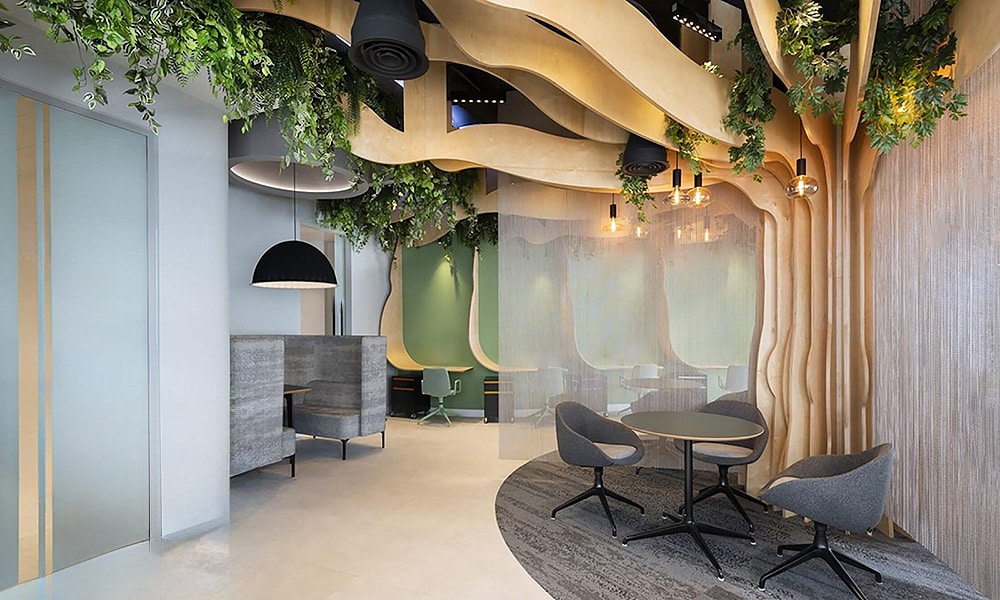
As the modern world becomes increasingly urbanized, many people find themselves disconnected from the natural environment. To counter this, biophilic design is gaining popularity in architecture and interior design. Biophilic design focuses on incorporating natural elements into living spaces, enhancing well-being and promoting a deeper connection with nature. In this article, we’ll explore how to design with biophilic elements to bring nature indoors, creating calming, beautiful, and sustainable spaces.
What is Biophilic Design?
Biophilic design is rooted in the idea that humans have an innate connection to nature. It aims to integrate natural elements into indoor spaces to foster this connection, improve mental and physical health, and create harmonious environments. This design approach can be applied to homes, offices, and public spaces to encourage relaxation, creativity, and focus.
Benefits of Biophilic Design
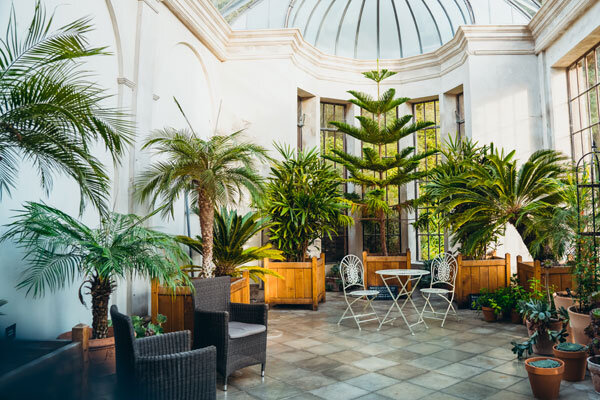

- Improved Well-Being: Studies show that exposure to nature reduces stress, enhances mood, and increases cognitive function. By integrating natural elements indoors, you can create a space that promotes relaxation and mental clarity.
- Enhanced Creativity and Productivity: In work environments, biophilic design has been linked to higher productivity and creativity, as natural elements can stimulate the brain and boost focus.
- Sustainability: Many biophilic design strategies involve eco-friendly and sustainable materials, supporting green building initiatives and reducing the environmental impact of construction.
Key Elements of Biophilic Design
There are several ways to incorporate biophilic elements into your interior design. These strategies focus on enhancing the visual, tactile, and even auditory connection to nature.
-
Use of Natural Materials
Incorporating natural materials into your home or office design is a simple yet effective way to introduce biophilic elements. Materials such as wood, stone, bamboo, and clay evoke a sense of earthiness and connection to the natural world.
- Wood: Using wood for flooring, furniture, or even walls brings warmth and texture to a space. Reclaimed wood, in particular, is a sustainable choice that adds a rustic and organic feel.
- Stone: Natural stone can be used for countertops, flooring, or as accent walls, offering a timeless and durable option that enhances the tactile experience of the room.
- Bamboo: Fast-growing and sustainable, bamboo can be incorporated into furniture, flooring, or window treatments, adding an eco-friendly touch to the space.
-
Maximize Natural Light
One of the core principles of biophilic design is maximizing exposure to natural light. Sunlight plays a crucial role in regulating our circadian rhythms, improving mood, and fostering a sense of well-being.
- Large Windows: Incorporate large, strategically placed windows to allow as much natural light as possible into your space. Floor-to-ceiling windows are ideal for creating an open, airy feel.
- Skylights: Skylights are another effective way to bring in natural light, especially in areas where windows may not be feasible.
- Reflective Surfaces: Using mirrors or light-colored surfaces can amplify natural light and make the space feel brighter and more open.
-
Indoor Plants and Greenery
Bringing live plants indoors is one of the most direct ways to integrate biophilic design into your home. Indoor plants not only add visual beauty but also purify the air, increase humidity, and create a calming environment.
- Focal Plants: Large plants like fiddle-leaf figs or rubber plants can act as natural focal points in a room, drawing attention and bringing nature to the forefront.
- Vertical Gardens: For smaller spaces or those looking for a dramatic effect, vertical gardens (also known as living walls) allow you to incorporate greenery without taking up floor space. These installations can be customized to fit any wall and serve as a living work of art.
- Low-Maintenance Options: For those without a green thumb, low-maintenance plants like succulents, snake plants, or ZZ plants are ideal choices that require minimal care but still contribute to the biophilic aesthetic.
-
Water Features
The soothing sound of running water can have a profound impact on relaxation and stress reduction. Incorporating water features into your design adds both a visual and auditory connection to nature.
- Indoor Waterfalls: A small, indoor waterfall or water wall can serve as a striking feature in living rooms, foyers, or even home offices. The sound of trickling water creates a peaceful ambiance.
- Tabletop Fountains: For smaller spaces, tabletop fountains offer an easy way to bring the benefits of water into your home without the need for extensive installations.
-
Natural Color Palettes
Using natural color schemes inspired by the outdoors can evoke a sense of calm and connection to nature. Earth tones, greens, blues, and neutrals are all excellent choices for achieving a biophilic design.
- Earthy Browns and Beiges: These colors bring warmth and a sense of grounding to the space, mimicking the tones of soil and wood.
- Shades of Green: Greens, from deep forest shades to light mossy hues, remind us of lush landscapes and vibrant vegetation, enhancing the connection to plant life.
- Blues and Aquas: Incorporating blues evokes the serenity of water and sky, bringing a tranquil and refreshing feel to the room.
-
Natural Shapes and Forms
Biophilic design embraces organic shapes and forms found in nature, moving away from sharp edges and straight lines typically seen in modern architecture.
- Curved Furniture: Opt for furniture with rounded edges and softer shapes to mimic the fluidity of nature.
- Natural Textures: Use materials with natural textures, such as woven rugs, stone surfaces, or textured wallpaper, to add a tactile dimension that connects with nature’s variability.
Conclusion
Biophilic design offers an opportunity to transform your indoor environment by bringing elements of the natural world into your living or working space. From incorporating natural materials and maximizing light to adding plants, water features, and organic shapes, biophilic design can improve well-being, enhance creativity, and promote sustainability. By using these strategies, you can create a serene and balanced space that feels connected to nature, even when you’re indoors.