


Installing a new driveway is one of the most effective ways to improve both the appearance and functionality of your home. A well-built driveway not only provides a reliable place to park vehicles but also enhances the overall curb appeal of the property. Among the many materials available, concrete continues to be one of the most popular choices because of its durability, versatility, and long-term value. Understanding the process of concrete driveway installation can help homeowners make informed decisions and ensure their investment delivers lasting results.
Why Concrete Is a Popular Driveway Choice
Concrete driveways have become a preferred option for many homeowners because they offer an excellent balance of strength and visual appeal. When installed properly, a concrete driveway can last for decades while maintaining a clean and attractive look. It is capable of supporting heavy vehicles, resisting weather damage, and requiring relatively little maintenance compared to other materials.
Another advantage is its adaptability. Modern concrete finishing techniques allow homeowners to customize the driveway with decorative patterns, textures, and colors. This flexibility makes it easy to match the driveway with the design of the home and surrounding landscaping.
Planning Your Concrete Driveway Project
Before construction begins, careful planning is essential. Homeowners should evaluate the size and layout of the driveway based on the number of vehicles, access points, and available space on the property. Drainage is another critical factor. A properly designed driveway allows water to flow away from the surface, preventing pooling and long-term structural damage.
Working with an experienced contractor or concrete driveway company helps ensure that these details are handled correctly. Professionals can assess the site conditions, soil stability, and grading requirements to create a plan that supports long-term durability.
The Site Preparation Process
Proper preparation is one of the most important steps in creating a strong and reliable driveway. The installation process usually begins with removing the existing driveway or excavating the designated area. This allows contractors to create a stable base that supports the weight of vehicles and prevents the surface from shifting.
Once the area is cleared, a compacted sub-base made of gravel or crushed stone is installed. This base layer improves drainage and distributes weight evenly across the driveway. Forms are then placed around the perimeter to shape the driveway and create clean edges.
Pouring and Finishing the Concrete
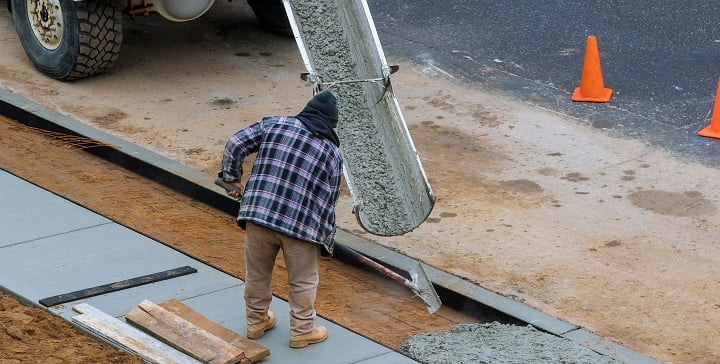
After the preparation work is complete, the concrete is poured into the prepared area. Contractors carefully spread and level the material to ensure a smooth and consistent surface. Depending on the design preference, the driveway may receive different finishing techniques.
A broom finish is commonly used to create a slightly textured surface that improves traction. Other options include stamped patterns that mimic stone or brick, exposed aggregate finishes, and decorative staining for added visual appeal. These finishes can elevate the look of the driveway while maintaining the durability of concrete.
Importance of Control Joints
Concrete naturally expands and contracts as temperatures change. To manage this movement and reduce the risk of cracking, contractors install control joints at specific intervals across the driveway. These joints guide where minor cracks may occur and help maintain the overall structural integrity of the surface.
Although small cracks may develop over time, properly placed control joints ensure they remain controlled and less noticeable. This step is essential for preserving both the strength and appearance of the driveway.
Curing and Setting Time
Once the concrete has been poured and finished, it must be allowed to cure properly. Curing is the process that allows the concrete to reach its full strength. During this period, the driveway should not be used for vehicle traffic.
Most concrete driveways can handle light foot traffic within a day or two, but vehicles typically need to stay off the surface for about a week. Proper curing helps prevent premature cracking and ensures the driveway remains durable for many years.
Maintenance Tips for Longevity
A concrete driveway requires relatively little maintenance compared to many other materials, but simple care can significantly extend its lifespan. Regular cleaning helps remove dirt, leaves, and debris that may stain the surface. Applying a protective sealer every few years can also protect against moisture, oil stains, and weather damage.
Homeowners should also avoid using harsh chemicals or heavy equipment that may damage the surface. With proper care, a concrete driveway can maintain its appearance and performance for decades.
Choosing the Right Concrete Driveway Company
The success of any driveway project depends heavily on the experience and skill of the contractor performing the work. Hiring a professional concrete driveway company ensures that the project is completed with proper preparation, materials, and finishing techniques. Experienced contractors understand how to manage site conditions, control drainage, and apply the right finishing methods to achieve the best results.
Homeowners should look for contractors with a strong reputation, verified experience, and a portfolio of completed projects. This helps ensure the driveway will not only look great but also perform well over the long term.
A Long-Term Investment for Your Property
Installing a concrete driveway is a practical investment that combines functionality with visual appeal. With proper planning, professional installation, and routine maintenance, a concrete driveway can enhance curb appeal, improve property value, and provide reliable performance for many years. For homeowners looking to upgrade their property with a durable and attractive driveway, concrete remains one of the best choices available.